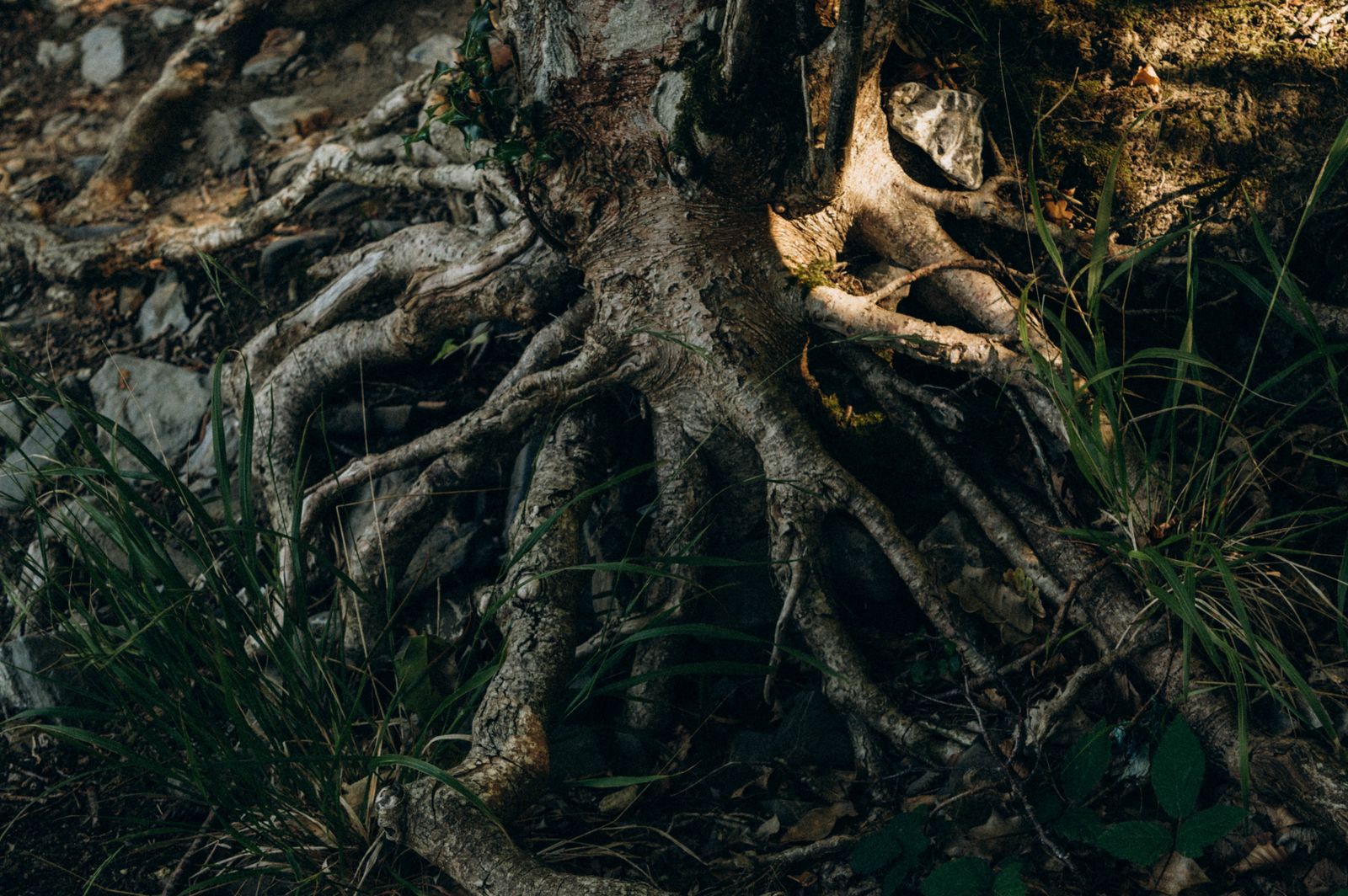
How roots get into a sewer line
Roots grow toward water and oxygen. A sewer lateral, especially an older clay one, leaks a small amount of warm, moist air and water at its joints. Fine feeder roots find that moisture, slip through the tiniest gap, and keep growing inside the pipe where conditions are ideal.
Once inside, they spread into a fibrous mat that catches paper, grease and solids. Flow slows, then stops. As the roots thicken, they can widen the joint, crack the pipe or push sections out of line.
Tree roots in sewer line in Bell Gardens homes follow the housing pattern. Older clay laterals have a joint every few feet, and many lots have mature trees planted decades ago, sometimes right over the line.
Signs of root intrusion in the sewer pipe
Roots build slowly, so the signs often come and go before they become a full blockage:
- Drains slow down across the house, then recover for a while
- The main line clogs again a few months after being cleared
- Gurgling from a toilet or tub when other fixtures drain
- Roots pulled out on the cable during a previous cleaning
- A wet or unusually green patch over where the lateral runs
The only way to confirm roots, and see how much damage they have done, is a sewer camera inspection of the line.
Cutting roots out of the sewer line: what it does and does not do
There are two common ways to clear roots. A cable machine with a cutting head spins through the line and shears roots off at the pipe wall. A hydro-jetter uses high-pressure water to cut roots and scour the pipe clean. The technician chooses based on the pipe's condition and what the camera shows.
| Method | What it does well | What it leaves behind |
|---|---|---|
| Cable with cutting head | Quickly opens a blocked line | Root stubs and the entry points |
| Hydro-jetting | Cleans the pipe wall thoroughly | The entry points |
| Repair or lining | Removes the entry points | Not a quick clear; needs planning |
Either clearing method restores flow. Neither seals the joint the roots came through, so regrowth is likely. That is not a sales line; it is how roots behave. Clearing buys time. Fixing the entry points is what changes the pattern.
Tell the person who answers when the line was last cleared and whether roots came out.
Book a root clearing visitWhen roots in the sewer lateral mean the pipe needs repair
After clearing, the camera shows the pipe without the roots in the way. That is the moment to decide what comes next.
If the roots were limited to a joint or two and the pipe is otherwise sound, periodic clearing may be a reasonable plan for a while. If the video shows cracked or broken sections, joints that have shifted, or roots coming in all along the run, the pipe needs repair. Options include replacing the damaged sections, lining the line so there are no joints for roots to use, or replacing the run. Older clay with widespread damage often leads to clay sewer pipe replacement.

Trees near the line on Bell Gardens lots
Bell Gardens lots are narrow, and the lateral typically runs from the back or side of the house straight out toward the street. That path often passes close to a front-yard tree or a parkway tree near the sidewalk. On lots that have added a back unit, a second long run may pass trees in the side yard too.
Mature trees that were planted when these homes were new now have extensive root systems, and the silty, sandy soil common here lets roots travel easily. Many homes are rented, and tenants may not know a line's history; the camera fills that gap.
The blocks around Marlow Avenue are described on sewer line repair near Marlow Park, and the streets off Jaboneria Road on sewer line repair near Asmus Park.
Keeping roots out after the repair
No repair can promise roots will never return. What helps is removing the openings they use and making future service easy:
- Repair or line the damaged joints, so roots have fewer ways in
- Add an outside cleanout, so clearing does not mean pulling a toilet; see sewer cleanout installation
- Think about placement when planting new trees, keeping them away from the line's path
- Book a camera check if slow drains return, before it turns into a full backup
If you want to remove a tree, that is a decision for you and, where relevant, a tree professional. The technician can tell you where the line runs relative to it.
What a root call looks like, start to finish
Most calls about tree roots in sewer line in Bell Gardens start the same way: the house has slowed down, or the lowest drain has backed up. The person who answers asks which fixtures are affected, when the line was last cleared and whether there is an outside cleanout, then dispatches a local technician.
On site, the technician gets the line flowing first, using a cutting head or a jetter depending on what they find. Once water moves, the camera goes in and records the full run. You watch the video together, see where the roots entered and whether any pipe is cracked or out of line, and hear the options with an upfront price before anything else is done.
Some visits end there, with a clear line and a note to check it again if drains slow. Others lead to a repair plan for the joints the roots are using. Either way, you leave knowing what is actually happening underground instead of guessing.
Landlords often ask for the video so they can plan work across a property. Tenants can call too; dealing with tree roots in sewer line in Bell Gardens rentals is usually arranged with the owner once the findings are clear.
If the line is already full and overflowing, start with our sewer backup page. Wider lateral problems are covered on our main sewer line repair Bell Gardens page.