
What a sewer cleanout is and where it usually sits
A cleanout is a short vertical pipe that connects to the building sewer and ends at the surface with a removable cap. Taking the cap off gives a straight path into the lateral for a cable machine, a water jetter or an inspection camera.
On homes that have one, the outdoor sewer cleanout is usually close to the house where the main drain leaves the foundation, or partway along the line toward the street. The cap is typically flush with the ground or a few inches above it, sometimes inside a small box.
Homes without a cleanout, common in older housing
Many homes built in Bell Gardens from the 1930s onward were built without an outside cleanout, or have one that was buried, paved over or capped somewhere no one can find. When those lines clog, the technician has to get in another way: removing a toilet and working from the floor flange, or going down a roof vent.
Both work, but both mean working inside the house with a line that may be full. A properly placed cleanout outside avoids that, and it gives the camera a cleaner, more direct view of the lateral.
One-way vs two-way cleanout options
A one-way cleanout points in one direction, usually downstream toward the street. That covers most clearing and inspection work on the lateral.
A two-way cleanout has two openings, one facing each direction, so the technician can reach the line toward the street and back toward the house from the same spot. It is useful when problems may be on either side of the access point.
| Type | Access | Typical use |
|---|---|---|
| One-way | Downstream only | Clearing and inspecting toward the main |
| Two-way | Upstream and downstream | Reaching both the house side and the street side |
Which makes sense depends on where the line runs, where problems usually occur, and local requirements. The technician will explain the choice for your property.
Tell us if you have ever had the line cleared through a toilet. It is a strong hint you have no cleanout.
Get Bell Gardens help todayAdding an outdoor sewer cleanout during a repair
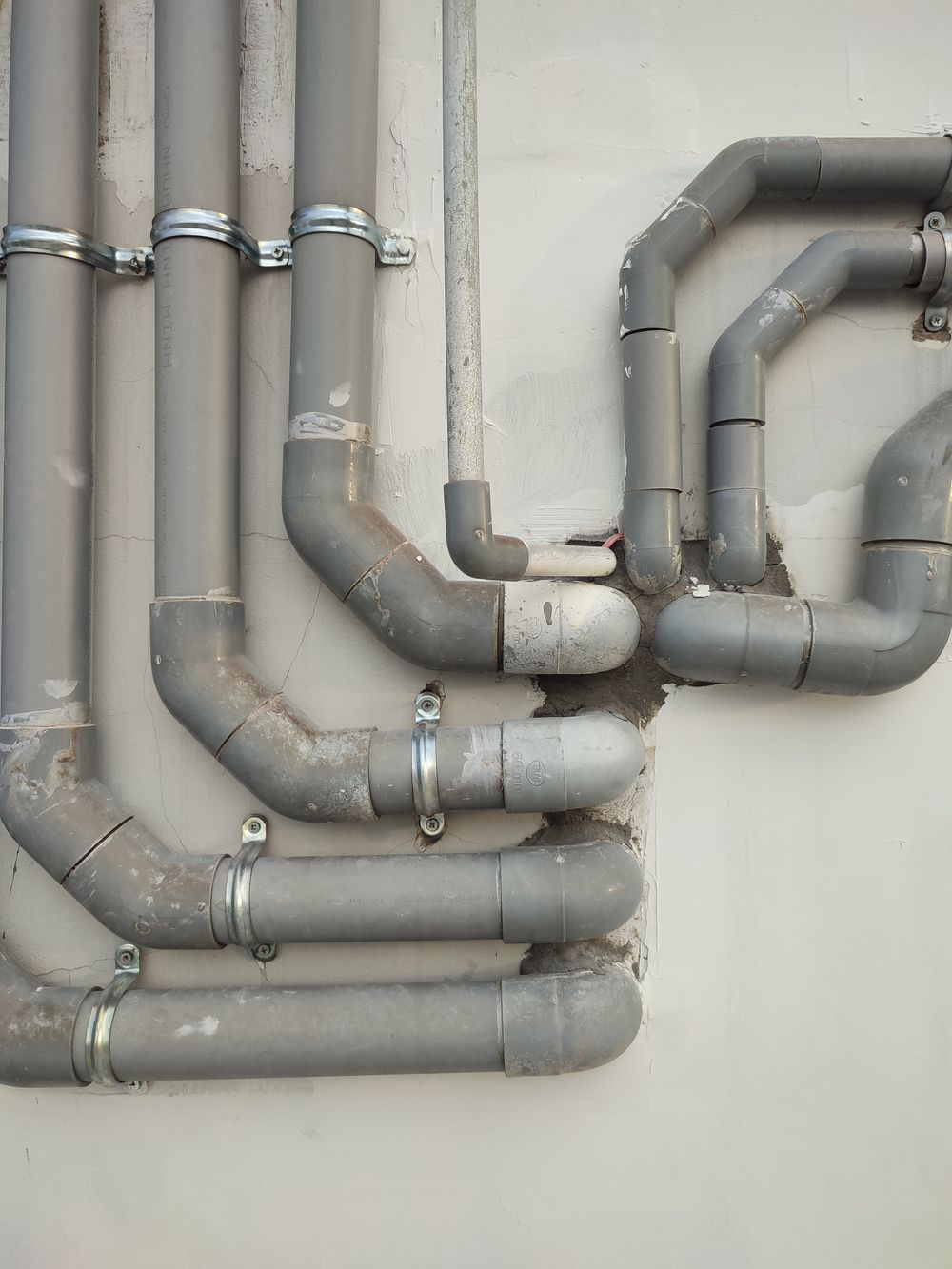
The easiest moment to install a sewer cleanout is when the line is already exposed. If part of the lateral is being dug for a spot repair, or an access pit is opened for trenchless sewer repair, adding the cleanout at the same time avoids a second dig later.
It can also be installed on its own. The technician locates the line, digs down to it at a suitable spot, cuts in a fitting and brings the cleanout up to grade with a cap.
Why a cleanout makes future service faster
With a cleanout, the technician can reach the lateral directly from the yard. That usually means:
- Less work inside the house when a line is backed up
- A shorter, straighter path for the cable or jetter
- A clearer camera view along the lateral; see sewer camera inspection
- An easy access point for any future lining or repair
On lots where several units share a lateral, one well-placed cleanout can serve the whole line.
Bell Gardens homes and cleanout placement
The typical lot here is narrow, with the lateral running from the house toward the street along one side, often under a driveway or a walkway. Space for a cleanout has to be found where it can be reached easily and will not be driven over or paved later.
For properties with a back unit, the technician may suggest a cleanout where the two lines join, so either can be cleared. The blocks around Marlow Avenue are covered on sewer line repair near Marlow Park, and the streets off Jaboneria Road on sewer line repair near Asmus Park.
If you are buying a home, check whether it has an accessible cleanout. A sewer scope before buying a house will show the access options too.
What installation involves, step by step
Sewer cleanout installation in Bell Gardens follows a simple sequence. The technician first finds the lateral, usually with a camera and locator from inside the house, and marks a good spot for the cleanout: close to the house, easy to reach, and away from where cars park or new concrete might go later.
Next comes a small excavation down to the pipe. The depth varies with the property. Once the lateral is exposed, the technician cuts in a fitting, either one-way or two-way, and runs a riser up to the surface. The riser gets a cap at or near ground level, sometimes inside a small box to protect it.
Before the hole is backfilled, the connection is checked. Many technicians run the camera through the new cleanout right away, which doubles as an inspection of the line. If the video shows a problem nearby, it is far easier to deal with while the ground is still open.
The finished cleanout should be easy to see and reach. Keep plants and stored items clear of it so the next visit can start right away.
On a property with a front house and a back unit, it is worth asking where the two drain lines meet. A cleanout at or near that junction lets a technician reach either line, so one tenant's clog does not mean working through the other tenant's home.
Finding your cleanout
Look outside along the wall where the main bathroom or kitchen sits, and in a line from there toward the street. You are looking for a round cap, usually plastic or metal, a few inches across, sometimes marked or with a square nub on top. It may be hidden under plants, mulch or a small cover.
If you find one, leave the cap on unless a technician asks otherwise. A line that is backed up can be under pressure.
For other lateral problems, start with our main page on sewer line repair Bell Gardens homes need.